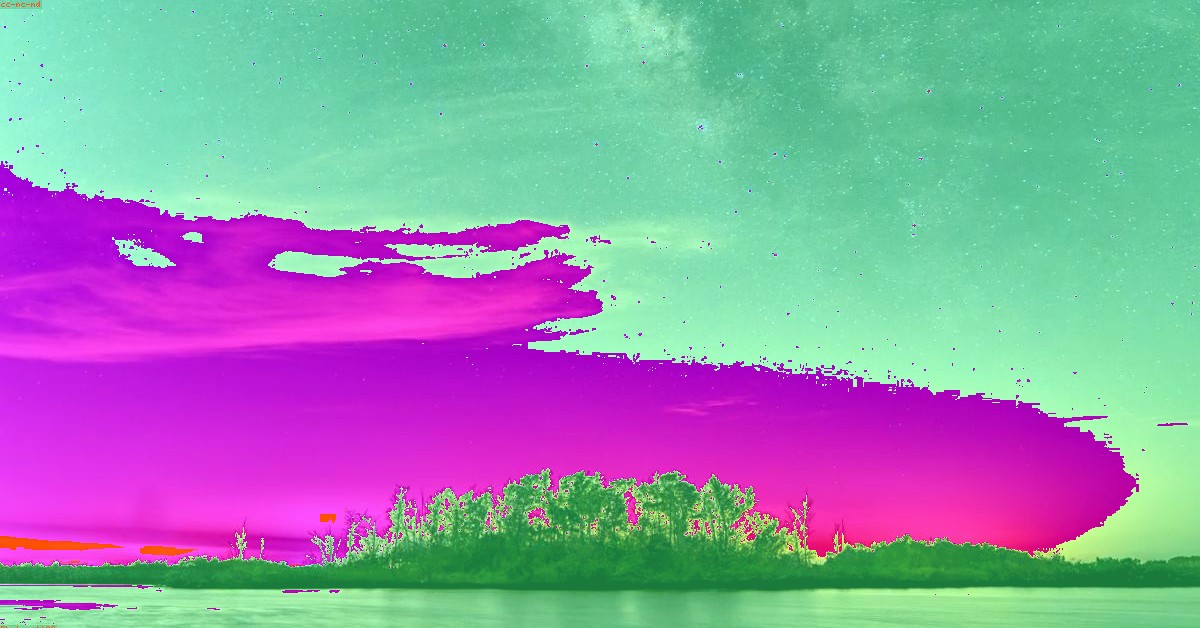
Milky Way Photographer of the Year 2026: 25 Jaw-Dropping Views of Our Galaxy That Redefine Night Skies
Every year, astrophotographers from every continent race against light pollution, unpredictable weather, and long nights to capture our galaxy in its most breathtaking form. But only 25 images make the cut for Capture the Atlas’s coveted Milky Way Photographer of the Year collection. For 2026, the gallery is out—and it’s nothing short of jaw-dropping. From volcanic silhouettes in Iceland to bioluminescent bays in New Zealand, these images aren’t just pretty pictures. They’re a masterclass in patience, technical skill, and an almost obsessive love for the universe above.
If you’ve ever wondered what it takes to turn a starry sky into a work of art—or if you’re simply looking for your next desktop wallpaper—you’re in the right place. Let’s dive into the story behind this year’s winners, the trends that shaped them, and what the heck Milky Way photography can teach us about discipline and creativity (hint: your SaaS pipeline could learn a thing or two).
What Is the Milky Way Photographer of the Year?
Before we get into the nitty-gritty, let’s set the stage. Capture the Atlas is a leading online platform for astrophotography education and inspiration. Each year, they curate a collection of the 25 best Milky Way images submitted by photographers worldwide. These aren’t ranked as first, second, or third place—they’re all winners. Think of it as a gallery of excellence, not a competition. The 2026 edition features images captured over the past 12 months, showcasing the Milky Way in all its glory: from the core rising over ancient ruins to the faint glow of the galactic plane stretching across deserts and oceans.
The 2026 collection is already being called the most diverse yet. Photographers from over 15 countries are represented, and the variety of landscapes—from Norway’s fjords to Australia’s outback—is staggering. But it’s not just about geography. The technical sophistication is on another level this year, with more composite shots, time-lapses, and even drone-assisted perspectives.
The 2026 Winners: Themes and Standout Shots
Let’s break down what makes this year’s images so special. I can’t list all 25 (that’s what the full gallery is for), but I’ll spotlight a few key trends and jaw-dropping examples.
1. The Rise of the ‘Dual-Layer’ Milky Way
One of the most striking new techniques in 2026 is the “dual-layer” capture. Photographers are now stacking foreground and sky shots taken at different times—sometimes hours apart—to achieve perfect sharpness across the entire frame. For instance, one winner from Patagonia shows the Milky Way core reflecting off a lake, with every star pin-sharp. The foreground? A jagged mountain ridge lit only by moonlight. This technique requires surgical precision: you shoot the sky with a fast aperture and high ISO, then the foreground with a slower shutter speed to capture detail. The result is a composite that looks more real than reality itself.
2. Bioluminescence meets the Galaxy
A stunner from New Zealand’s Waitomo region pairs the Milky Way with glowing bioluminescent plankton in a coastal cave. The photographer used a 30-second exposure at ISO 6400, then blended it with a second frame for the cave’s foreground. The image is a symphony of blue and green—the galaxy above, the glow below. It’s a reminder that the best photos aren’t just about the sky; they’re about the interplay between earth and cosmos.
3. Urban Landscapes, But Make It Galactic
In a surprising twist, several winners feature cities and towns with minimal light pollution. A shot from a remote village in the Swiss Alps shows a winding path lit by warm house lights, with the Milky Way arcing overhead. The photographer used a star tracker to keep the galaxy crisp during a 2-minute exposure, while the village lights were captured in a separate 30-second frame. The takeaway? You don’t need to trek to the Atacama Desert. Strategic location and careful composition can turn any dark-sky spot into a winner.
4. Drone-Driven Galactic Landscapes
Drones are no longer just for selfies. This year’s collection includes three images captured with flying cameras. One, taken over Iceland’s volcanic black sand beaches, uses a drone to get a low-angle shot of the Milky Way reflecting on wet sand. The drone’s ability to hover at just 15 feet above ground creates a perspective that’s impossible with a tripod. Expect more drone entries in future years as technology evolves.
The Science Behind the Snap (Spoiler: It’s Harder Than You Think)
You might think astrophotography is just pointing a camera at the sky and clicking. Wrong. To get these images, photographer’s battle:
- Light pollution: Even a distant city’s glow can ruin a 30-second exposure. Winners often shoot in designated Dark Sky Parks or remote locations miles from civilization.
- Moon phase: The Milky Way core is best visible during new moons. Photographers plan months around lunar cycles.
- Weather: One clear night is rare. Many winners spent weeks in the field, waiting for clouds to clear—and even then, they might get only 15 minutes of optimal darkness.
- Gear: High-end cameras (like the Sony A7S III or Nikon Z8), fast wide-angle lenses (f/1.4 or faster), and star trackers are standard. But skill matters more than gear. The winners’ secret? Post-processing. Raw files are stacked and blended in software like Photoshop or PixInsight to reduce noise and enhance detail.
What This Means for You (Yes, Even If You’re Not a Photographer)
You might be a B2B SaaS founder or a VP of Sales reading this, wondering why you should care about starry skies. Fair question. Here’s the deal: the same disciplines that make a winning Milky Way image apply to building a growth engine.
Patience beats hustle. Photographers wait days for the perfect moment. Your pipeline won’t explode overnight either. Nurture leads like they’re a 30-second exposure—slow, deliberate, and focused on quality.
Technical precision wins. A single misaligned focus can ruin a shot. In your GTM playbook, one mismatched ICP can tank a campaign. Nail the details before scaling.
Creative stacking works. Composites create images more powerful than single shots. In sales, that means combining channels—email, LinkedIn, events—for a multi-touch impact. One touch rarely closes a deal.
Embrace the dark. Light pollution hides the Milky Way. In business, noise (bad data, vanity metrics) hides the truth. Get away from the glow. Find the signal.
How to See the Full Collection (and Get Inspired)
The 2026 Milky Way Photographer of the Year collection is live now on Capture the Atlas’s website. You can browse all 25 images with full technical details—camera settings, locations, and photographer stories. It’s free, it’s stunning, and it’s a reminder that the universe is vast, beautiful, and waiting for us to look up.
If you’re in a city, don’t let that stop you. Even a quick trip to a rural area during a new moon will reveal the galactic plane. It’s a humbling experience. Or, if you prefer screensavers, download the high-res versions—they’ll make your Zoom backgrounds look galactic.
Final Thoughts: The Galaxy as a Growth Story
The 2026 Milky Way winners aren’t just photos. They’re proof that patience, precision, and creativity can produce something extraordinary. Whether you’re chasing stars or quarterly targets, the lesson is the same: the best results come from respecting the process.
So next time you’re grinding on a pipeline report, step outside at 2 AM. Look up. That spiral of light is the same galaxy your top sales rep is named after. And if you squint hard enough, you might just see your next win reflected in a star.
Want more stories like this? Subscribe to B2B Pulse for weekly insights that connect the dots between the cosmos and your bottom line. Because the best growth happens when you look beyond the obvious.