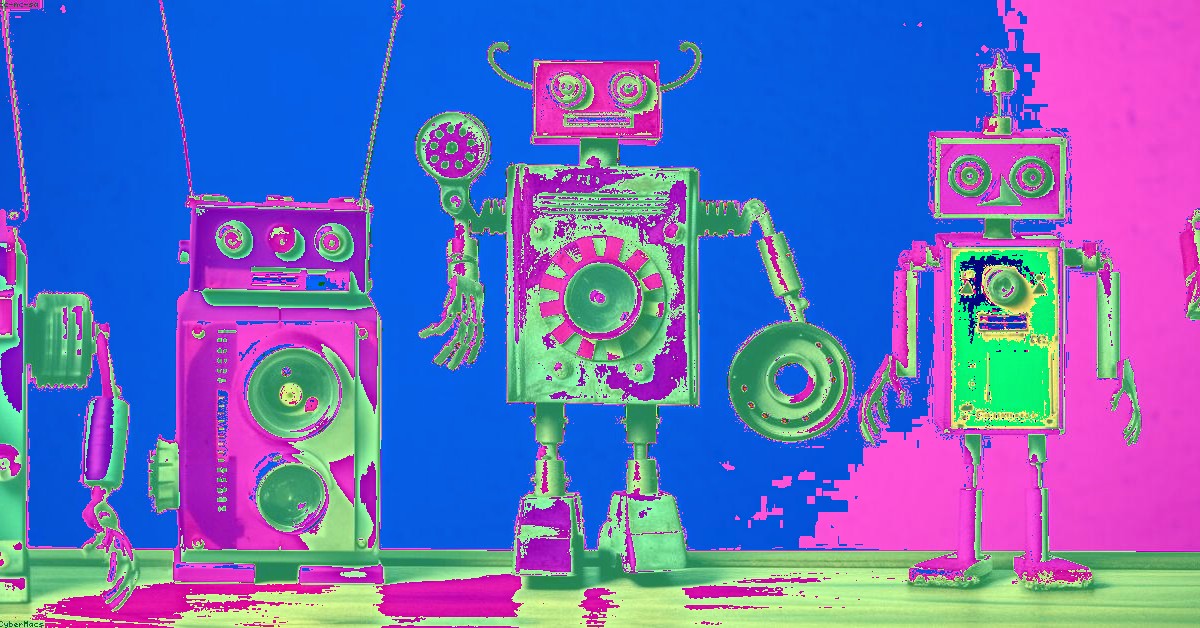
The Robot Revolution Has Arrived: What B2B Leaders Must Prepare For Now
Listen, I’ve been in enough sales rooms to know when a shift is more than hype. Last quarter, I watched a demo of an AI-powered humanoid that didn’t just walk—it ran. Not in a lab. In a real, half-marathon race in China. And it won. That’s not a headline. That’s a signal.
The robot revolution isn’t coming. It’s here. And if you’re running a SaaS or tech company, it’s time to stop treating humanoids like sci-fi and start treating them like the next GTM channel you haven’t built yet.
Here’s the playbook.
Why the Robot Revolution Matters for Revenue Teams
Let me give you the data first. In early 2025, a humanoid robot—built by a Chinese company—officially won a half-marathon. No CGI. No stunt double. A machine with legs, joints, and a battery pack crossed the finish line ahead of human runners. That same robot? It was later seen walking the red carpet at the 2026 Met Gala. Not as a prop. As a debut.
AGIBOT is the name you need to remember. It’s not a toy. It’s a physical embodiment of artificial general intelligence stepping out of the screen and into our factories, warehouses, and eventually, our offices.
For B2B leaders, this isn’t cool tech news. It’s a direct call to action.
From Screens to Streets: The AI Embodiment Shift
We’ve spent the last decade optimizing for software. CRM, ERP, sales engagement platforms—all great. But the next decade belongs to hardware that thinks. Robots that can move, interact, and eventually sell.
Think about it:
- A humanoid robot with AI-powered facial recognition can walk into a prospect’s lobby, shake hands, and deliver a pitch.
- It can run a demo in your showroom 24/7, adjusting its tone based on the buyer’s body language.
- It can even run a marathon to prove reliability. (No sales rep has done that. Yet.)
The Met Gala debut wasn’t random. It was strategic. AGIBOT showed up in a custom tuxedo, posed for photos, and even engaged in conversation. That’s not a robot. That’s a brand ambassador.
What This Means for SaaS and GTM Strategies
Here’s the practical side. How do you prepare your revenue team for a world where robots become customers, collaborators, and competitors?
1. Redefine Your Buyer Persona – Include Machines
Right now, you’re targeting humans. Soon, you’ll need to target autonomous agents. Robots that buy cloud storage, software licenses, and API access. They have ownership budgets. They make decisions based on ROI and latency, not emotions and lunch meetings.
Action item: Start tracking bot-originated requests in your pipeline. Add a “Robot” segment in your CRM. Filter for non-human email signatures or API-based orders.
2. Build a Robot-Friendly Product Experience
If a humanoid can run a marathon, it can certainly fill out a form or integrate with your API. Make sure your onboarding flow is designed for autonomous agents. Can a robot call your support line? Can it read your documentation and trigger a purchase?
Check your product’s API documentation. Is it structured for machine learning? If not, rewrite it.
3. Train Your Sales Team to Sell to Robots
This sounds wild, but it’s coming. Your best rep might soon be the one who understands how to close a deal with an AI buying agent. That means:
- Negotiating with algorithms that optimize for cost, not relationship.
- Creating pricing models that bots can evaluate instantly.
- Delivering proof of value that a machine can verify (think uptime SLAs, error rates, and latency data).
Start role-playing robot-led negotiations in your sales training. I’m serious.
The Met Gala as a Go-to-Market Play
Let’s circle back to AGIBOT’s Met Gala appearance. Why did they do it? Because they understood one thing: perception is part of the GTM motion.
- The Met Gala is a cultural signal. If a robot can be there, it’s no longer a factory tool. It’s a lifestyle.
- It generated global press, not just tech blogs.
- It humanized the machine. That trust transfer is critical for B2B adoption.
Lesson: When you launch a product, don’t just demo it at a trade show. Find the cultural moment that says, “This technology is now part of everyday life.” For AGIBOT, it was a red carpet. For your SaaS, it might be a keynote at a sports event or a partnership with a fashion brand.
The Data Behind the Robot Revolution
Let’s talk numbers. The humanoid robotics market is projected to reach $38 billion by 2030. But the real metric is deployment velocity. In 2024, there were fewer than 500 humanoid robots in commercial use. By 2027, that number could be 10x.
Your revenue team needs to plan for:
- Warehouse automation: Robots managing inventory, restocking, and order fulfillment.
- Retail and hospitality: Robots greeting customers, taking orders, and upselling.
- Field service: Robots repairing equipment, inspecting infrastructure, and even delivering sales pitches on-site.
If you sell software for any of these verticals, you need a robot integration strategy now.
How to Build Your Robot-First Revenue Playbook
Here’s a step-by-step framework to start this week:
Step 1: Audit Your Current Stack for Robot Readiness
- Does your CRM support API-driven updates?
- Can your chatbot handle full purchase flows without human intervention?
- Do you have a dedicated endpoint for machine-generated leads?
Step 2: Create a Robot Buyer Persona
- Name: “BotBot”
- Age: 6 months (but learning fast)
- Needs: Low latency, high uptime, transparent pricing
- Pain points: Human inefficiency, inconsistent API responses, slow onboarding
Step 3: Launch a Pilot
- Partner with a robotics company (start with AGIBOT or similar)
- Offer them free trials of your software in exchange for usage data
- Track how robots interact with your product differently than humans
Step 4: Measure the Right Metrics
- Time-to-purchase (robots are faster)
- Average contract value (robots rarely negotiate based on emotion)
- Churn rate (robots only leave if your product fails technically)
The Competitive Advantage of Early Adoption
Here’s the uncomfortable truth: your competitors are already testing this. Some are building internal bots to automate prospecting. Others are partnering with hardware companies to co-sell.
The companies that figure out how to sell to robots and through robots will own the next decade.
I’ve seen this pattern before. In 2010, the first cloud-based CRMs were laughed at. By 2015, they were standard. By 2020, they were mandatory. Same thing is happening with robot carriers.
What Not to Do: Common Mistakes
- Treating robots as a gimmick. Don’t put a humanoid in your booth just for photos. Use it to deliver real demos.
- Ignoring the security layer. Robots need API keys, authentication, and data limits. If you don’t have a robot security policy, you’re asking for a breach.
- Assuming robots are only for manufacturing. The AGIBOT half-marathon and Met Gala debut prove that humanoids are entering general-purpose roles. Start preparing your sales playbook for any industry.
Final Thoughts: The Revolution Is Physical
We’ve been talking about AI for years. But up until now, it lived in the cloud. It was a voice on your phone or a character on your screen. The robot revolution changes that.
When a machine can run a marathon, walk a red carpet, and still have enough battery to process a purchase order, the line between digital and physical blurs. And that blur is where new revenue growth lives.
Your next best sales rep might not be human. Your next top customer might not be either.
The robot revolution has officially begun. The question is: is your GTM team ready?
Action for you this week:
Pick one process in your sales cycle that a robot could handle end-to-end. Map it out. Then test it with an API-based bot. Measure the speed, accuracy, and cost savings. Report back. The data will tell you if you’re ready for the next wave.
– A former VP of Sales who now spends his days watching marathons—and rewriting playbooks.