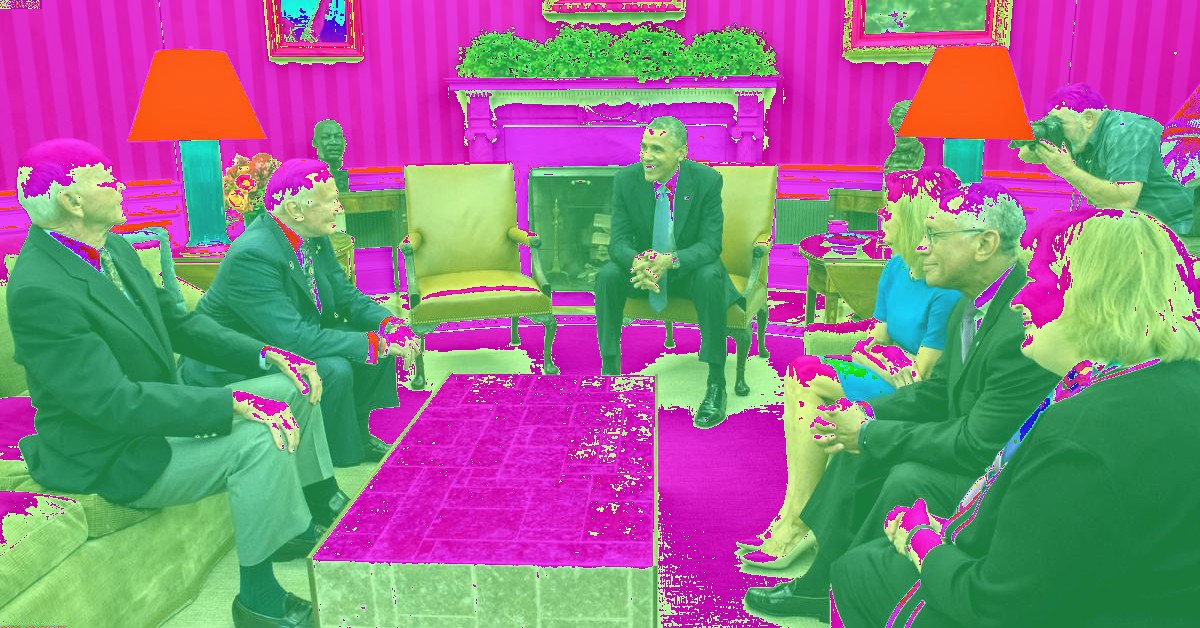
From Olive Green to Gold: The Evolution of the Oval Office as a GTM Power Symbol
The Oval Office isn’t just where the president of the United States signs bills or meets foreign dignitaries. It’s the most iconic workspace in the world—a living artifact of leadership style, power signaling, and personal brand. And for growth-minded executives, it’s a masterclass in how environment influences authority and decision-making.
Since its creation in 1909, every president has stamped their identity on this room. From Taft’s olive-green walls to Trump’s gold embellishments, the Oval Office has evolved like a product roadmap—each iteration reflecting the leader’s values, strategy, and audience.
Let’s walk through the redesigns, not as design history, but as playbooks in positioning, operational focus, and brand consistency. Because if you run a SaaS company or lead a revenue team, the lesson is clear: your workspace—physical or digital—shapes your outcomes.
The Inception: Taft’s Olive-Green Prototype (1909)
When President William Howard Taft expanded the West Wing, he didn’t just add square footage—he created the first Oval Office. Inspired by the White House’s oval-shaped Blue Room, architect Nathan C. Wyeth designed a space that was both functional and symbolic.
Taft’s Oval Office featured an olive-green color scheme. Think about that for a second. Olive green isn’t flashy. It’s grounded, stable, and practical. Taft was a lawyer, a pragmatist, and a leader who prioritized efficiency over spectacle. His office design matched his leadership style: understated, organized, and mission-focused.
GTM takeaway: Your first office, landing page, or product MVP doesn’t need gold trim. It needs to work. Taft’s Oval Office was a prototype—functional, intentional, and built for the job at hand. If you’re launching a new tool or revamping your sales process, start with utility, not aesthetics.
The FDR Redesign: Relocating for Impact (1934)
Franklin D. Roosevelt didn’t just redecorate—he relocated. In 1934, as part of another West Wing expansion, FDR moved the Oval Office to the southeast corner of the White House. Why? Because he wanted more natural light, better access, and a space that reflected his forward-looking New Deal era.
Roosevelt’s desk was a window into his workflow: photos of his sons, ceramic animal figurines, and an appointments easel with his daily schedule. He wasn’t just decorating; he was optimizing his environment for decision-making and human connection.
GTM takeaway: FDR understood that location and layout drive behavior. For revenue teams, this translates to how you structure your sales floor, your CRM dashboard, or your board meeting room. Don’t just rearrange chairs—relocate priorities. Move your most important KPI to the top of your screen. Place your highest-value prospect at the center of your weekly review.
Truman’s Turquoise Seal: First Formal Branding (1945)
President Harry S Truman introduced the first rug featuring the presidential seal. The turquoise rug and matching curtains, paired with lighter seafoam green walls, created a visual brand for the office. This wasn’t just decoration—it was institutional branding.
Truman understood that the Oval Office wasn’t his personal space. It was the nation’s boardroom. By embedding the presidential seal into the rug, he reinforced authority and continuity. Every visitor—staff, diplomats, reporters—would see that seal and know they were in the epicenter of power.
GTM takeaway: Your brand isn’t just your logo or your tagline. It’s the physical and digital environments you create. Whether it’s your website header, your conference booth, or your weekly team standup format, consistency signals reliability. Truman’s rug was a brand asset. Your slide deck template should be too.
JFK’s Desk Swap: The Resolute Desk Enters the Building (1961)
John F. Kennedy was the first president to use the Resolute Desk in the Oval Office—a piece of furniture with a backstory that screams “brand narrative.” The desk was built from the timbers of the HMS Resolute, a British ship abandoned in the Arctic and later returned to Queen Victoria, who had it made into a desk and gifted to the U.S. president.
JFK understood that objects carry meaning. The Resolute Desk wasn’t just functional; it was symbolic of diplomacy, resilience, and partnership. Kennedy’s choice signaled that he valued history and relationships. It also became part of his legacy—used by every president since, except George H.W. Bush and a few others who brought in their own furniture.
GTM takeaway: When you choose a tool, a partner, or a vendor, think about what that choice says. Using Salesforce vs. HubSpot isn’t just about features—it’s about your team’s identity. JFK used the Resolute Desk because it told a story. Your tech stack should tell a story too.
George H.W. Bush: The Personal Touch (1989)
President George H.W. Bush broke tradition. He swapped the Resolute Desk for his own personal furniture—a decision that reflected his preference for comfort and individuality. While the Resolute Desk remained in storage, Bush worked from a desk he owned, signaling that even in the highest office, personality matters.
This was a calculated move. Bush was known for his hands-on, personal style. His desk choice reinforced the message: “I’m not just the president; I’m a person who works like you do.”
GTM takeaway: Authenticity sells. If you’re a founder or VP, don’t hide your personality behind corporate polish. George H.W. Bush’s desk choice would be like a CEO using a worn-out laptop on a webinar because it shows they’re scrappy and focused. Let your workspace—and your communications—reflect who you actually are.
Trump’s Gold Era: Reinstating the Vintage, Adding the Flash (2017–2025)
President Donald Trump has given the Oval Office multiple makeovers. His second-term redesign includes numerous gold embellishments and the reinstatement of vintage Oval Office pieces from previous administrations.
Trump’s approach is maximalist. Gold trim, bold patterns, and symbolic touches like a painting of Andrew Jackson or a bust of Winston Churchill. Every object is chosen to communicate strength, legacy, and disruption.
But here’s the strategic insight: Trump didn’t just decorate for himself. He curated for his audience. The gold signals luxury and success. The historical references align him with past leaders he admires. The bold design choices mirror his communication style—direct, dramatic, and unforgettable.
GTM takeaway: In B2B, your conference room, your board deck, and your email signature all convey status. If you’re pitching to enterprise buyers, the environment matters. Trump’s Oval Office says: “We’re here to win.” Your sales enablement materials should say the same—without the gold, unless that’s your thing.
The Pattern: Every Oval Office Is a Growth Dashboard
Look at the timeline:
- Taft: Function-first, minimal branding
- FDR: Relocation for efficiency and light
- Truman: Brand consistency via seal and color
- JFK: Symbolic objects with narrative power
- George H.W. Bush: Personalization over tradition
- Trump: Bold signaling and maximalist branding
Every president used the same 1,200-square-foot room to communicate a different strategy. The Oval Office is a physical growth dashboard—each change reveals priorities, audience, and identity.
Here’s how you apply this to your revenue team:
1. Audit Your Physical and Digital Workspaces
Walk through your office, your Slack channels, your CRM dashboard. What does each say about your priorities? If your sales floor is cluttered, your metrics are hidden, or your website is clunky, you’re signaling chaos—not competence.
2. Make Every Touchpoint Intentional
Truman added a seal to his rug. You can add clear CTAs to your homepage. JFK chose a desk with a story. You can write case studies that humanize your brand. Every detail is a signal.
3. Evolve Your Environment as Your Company Grows
FDR relocated the whole office. He didn’t just paint. If your company has outgrown your current sales process, don’t tweak—redesign. Move your revenue team into a new structure, adopt a new CRM, or rebrand your entire GTM approach.
4. Use Personalization Without Losing Authority
George H.W. Bush used his own desk. You can use your own voice in email outreach. Authenticity builds trust, but only if it’s backed by competence.
5. Let Your Workspace Tell a Story
The Resolute Desk isn’t just a piece of wood. It’s a narrative about international cooperation and resilience. What story does your office, your product demo, or your proposal deck tell? Craft it deliberately.
The Future: What’s Next for the Oval Office?
The next president will inherit a room that has been painted, moved, branded, and rebranded over 115-plus years. They’ll decide whether to keep the gold, restore the turquoise, or invent something entirely new.
But the lesson for B2B leaders is permanent: Your workspace isn’t neutral. It’s a communication channel. Whether you’re running a three-person startup or a public company, the environment you create—physical, digital, or cultural—shapes how your team performs and how your customers perceive you.
So ask yourself: If your office (or your Zoom background, or your sales deck) were redesigned like the Oval Office every four years, would it still reflect your current strategy?
Or is it time for a redesign?
About the author: This article was written by a former VP of Sales turned content strategist, obsessed with how environment drives revenue outcomes. For more growth-focused frameworks, follow B2B Pulse.