Beyond the Boring Gate: How Portal Lounge Is Redefining the Airport Experience with Robot Bartenders and Mario Kart
Let’s be honest—airport lounges have been selling the same tired promise for decades: a quiet chair, a stale croissant, and maybe a lukewarm coffee while you wait for your delayed flight. It’s functional, but it’s hardly memorable.
But what if your layover felt less like downtime and more like an upgrade? That’s exactly what Portal Lounge is betting on. Opening next week at Minneapolis–Saint Paul International Airport (MSP) on May 28, this tech-forward independent lounge is flipping the script. The founders behind it—Jordan and Emma Walbridge, the same duo who brought us Gameway—are taking everything you thought you knew about airport hospitality and turning it into a high-energy, interactive playground for grown-ups who grew up gaming.
Here’s the playbook on why this matters for B2B teams who think about customer experience, revenue, and retention—because the principles behind Portal Lounge are just as applicable to your GTM strategy as they are to an airport terminal.
The Problem with “Boring” Lounges (and Boring Customer Experiences)
The traditional airport lounge value proposition is simple: pay for a quieter, more comfortable place to sit. But for a generation of travelers—millennials who are now in their 30s and 40s, flying for both work and leisure—that’s no longer enough.
“People talk about millennials needing experiences, and they do, and they want it at airports now as well,” Emma Walbridge told Fast Company. That insight isn’t just about airports. It’s a universal B2B lesson: your customers don’t just want a functional product or service. They want an experience that feels designed for them.
Portal Lounge’s bet is that the same travelers who played Mario Kart as kids, who grew up with arcades and online gaming, don’t magically stop craving that kind of engagement when they become business travelers. Instead, they want a space that respects their adult status but doesn’t force them into a sterile, beige waiting room.
Takeaway for revenue teams: Don’t assume your target audience outgrows the experiences they loved. The customer who bought your product five years ago is now a VP of Sales—but they still respond to well-designed, immersive interactions. The question isn’t whether you can offer them a “quiet seat.” It’s whether you can offer them a moment of genuine delight.
From a Mall Gaming Center to Nine U.S. Airports: The Gameway Origin Story
The roots of Portal Lounge go back nearly a decade, and it’s a classic story of seeing an opportunity where others saw a limitation.
Jordan and Emma Walbridge first got the idea for Gameway after visiting a gaming center in a shopping mall in England. At first, Jordan explored whether a stand-alone gaming business could work. But Emma, who came from a background in hospitality and hotel management in England, immediately recognized a gap.
“I said to Jordan, ‘I’m actually hospitality born and bred. This would do great if it were in airports,’” Emma recalls.
That one insight—that the context of the experience matters as much as the experience itself—was the key. A gaming center in a mall is a destination. A gaming center in an airport is a lifeline for travelers stuck in a layover.
Gameway’s first location opened at Dallas Fort Worth International Airport in 2018. It quickly gained traction among adults who had grown up gaming but were now traveling for work and leisure. “A lot of people think gaming is for kids, right? And it’s not anymore,” Emma says. “We were brought up on games, but now we’re actually in our 30s, 40s, and we are traveling for work as well as leisure.”
Fast forward to today: Gameway operates in nine U.S. airports, with plans to expand to 11 locations by the end of the year. But the Walbridges weren’t done iterating. Portal Lounge takes that gaming DNA and scales it into a full hospitality experience.
For B2B leaders, this is a textbook example of “expand into adjacent space.” You don’t have to invent a new category to grow. Sometimes, you just need to take a proven concept (gaming + airports) and layer on more value (food, drinks, design, technology). That’s how you move from a niche product to a flagship experience.
What Portal Lounge Actually Delivers: Robot Bartenders, Chef-Driven Food, and Immersive Design
So, what’s inside Portal Lounge? Forget the stale crackers and self-serve coffee. Here’s what early visitors can expect:
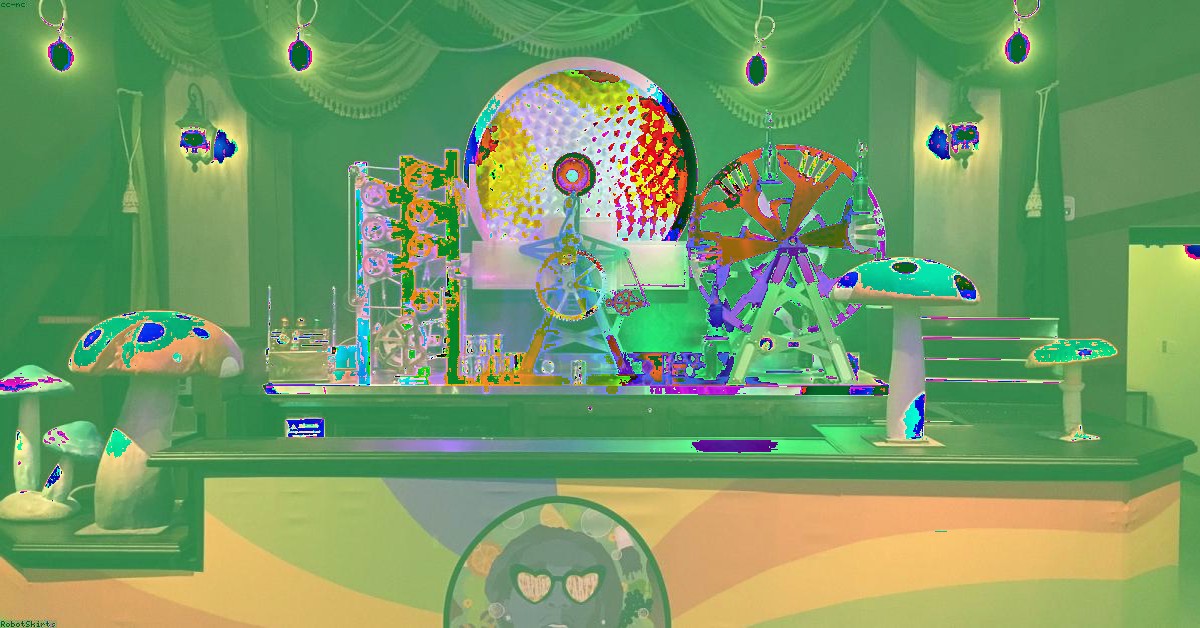
- A robot bartender – Not a gimmick, but a functional, interactive way to get a drink. It’s the kind of touch that makes you stop, smile, and perhaps pull out your phone to record a video.
- Chef-driven food and drinks – This isn’t airport food. It’s a menu designed by chefs who understand that travelers want quality, not just convenience.
- Immersive design – The physical space is built to create a mood, not just a seat. Think lighting, sound, and layout that make you feel like you’ve stepped into a different world.
- Interactive technology – From gaming stations (yes, including Mario Kart) to digital touchpoints that respond to your presence, the lounge is engineered for engagement.
The Walbridges are essentially saying: your layover doesn’t have to be a waste of time. It can be a moment—a chance to play, to eat well, to connect with something fun.
For revenue teams, think about what your “robot bartender” might be. It’s that unexpected, delightful touch that makes your product or service memorable. It’s not just about solving a pain point. It’s about creating a positive emotion that your customer associates with your brand.
The Demographic Overlap That Makes This Work
Emma Walbridge nailed the core insight: “A lot of people think gaming is for kids, right? And it’s not anymore.”
The data backs her up. The average gamer today is in their 30s. They have disposable income. They travel for business. They’re the same people who buy enterprise SaaS, attend industry conferences, and make purchasing decisions for their companies.
Portal Lounge isn’t for “gamers” in the stereotypical sense. It’s for anyone who remembers the joy of a good game and wants to relive that feeling in a context that feels grown-up, not childish.
This is a critical lesson for B2B segmentation. Don’t define your ICP by their job title alone. Understand their identity—what they did for fun ten years ago, what they value now, and how your product fits into their full life, not just their work life.
The traveler who plays Mario Kart at Portal Lounge at MSP is the same person who might attend your webinar, sign up for your demo, or champion your product inside their organization. If you treat them like a “business traveler” who only cares about efficiency, you miss the human element.
What This Means for the Future of Airport Lounges (and Customer Experiences)
Portal Lounge is opening at a time when the entire concept of “airport hospitality” is up for grabs. Traditional lounges are struggling to differentiate. Premium credit cards offer lounge access as a commodity. The result? Many lounges feel overcrowded, generic, and uninspired.
Portal’s approach is different: instead of trying to be quieter than the terminal, it’s trying to be more fun. It’s trading peace and quiet for energy and engagement. That’s a bold bet, but one that aligns with how modern consumers actually behave.
For B2B product leaders: The same principle applies to your customer experience. Don’t just try to be “less bad” than your competitors. Find a way to be genuinely good at something your customers actually care about. If your users are stuck in a “layover” (e.g., waiting for onboarding, waiting for a feature, waiting for support), give them something to do that makes that wait feel valuable.
Actionable Takeaways for Revenue Teams
Let’s bring this back to B2B Pulse territory. Here’s how you can apply the Portal Lounge playbook to your own GTM strategy:
1. Map the “Layover Moments” in Your Customer Journey
Every customer has periods of waiting—onboarding, implementation, feature releases, support tickets. Your job is to make those moments valuable instead of empty. Portal Lounge didn’t try to make a short layover disappear. It made it worth remembering.
Action step: Identify the top three “waiting periods” in your customer lifecycle. What can you offer during those moments? Education? Community? Fun?
2. Design for the Whole Person, Not Just the Job Title
Portal Lounge isn’t for “business travelers.” It’s for people who travel for business but also enjoy games, good food, and interactive experiences. When you segment your audience, include psychographic data—interests, pastimes, and values—not just firmographic data.
Action step: Add one question to your next customer survey or lead form: “What did you love doing as a kid that you still enjoy today?” You’ll be surprised by the answers.
3. Think “Expand, Don’t Pivot”
The Walbridges didn’t abandon Gameway to build Portal Lounge. They expanded their concept from a gaming-only space to a full-service lounge. That’s a lower-risk, higher-reward strategy than starting from scratch.
Action step: Look at your current best-selling product or service. What adjacent layer could you add that increases value without changing your core offering? Could you add a community component? A concierge service? A content library?
4. Use Technology for Delight, Not Just Efficiency
A robot bartender is cool, but it’s not just a gimmick—it’s a conversation starter, a photo op, and a memorable moment. Technology should never replace human connection, but it can amplify it.
Action step: Audit your current tech stack. Which tools are purely operational (saving time)? Which tools genuinely delight your customers? If the answer is “none,” start planning one.
The Bottom Line: Don’t Build a Boring Lounge
Portal Lounge is opening on May 28 at MSP, and it’s worth watching—not just as a travel curiosity, but as a case study in understanding your audience.
The Walbridges recognized that a generation of travelers had grown up, but they hadn’t grown boring. They still wanted to play, to explore, to be surprised. And they were willing to pay for an experience that reflected that.
Your customers are no different. Behind the job titles and the company emails are humans who love good design, delight, and a bit of fun. If you can build a “lounge” that feels more like a playground than a waiting room, you won’t just earn their business. You’ll earn their loyalty.
Ready to turn your layover into an advantage? Subscribe to B2B Pulse for more insights on how the smartest companies in SaaS and tech are rethinking customer experience, one robot bartender at a time.