Jury Rules Against Elon Musk in OpenAI Lawsuit: Missed Statute of Limitations Derails Case
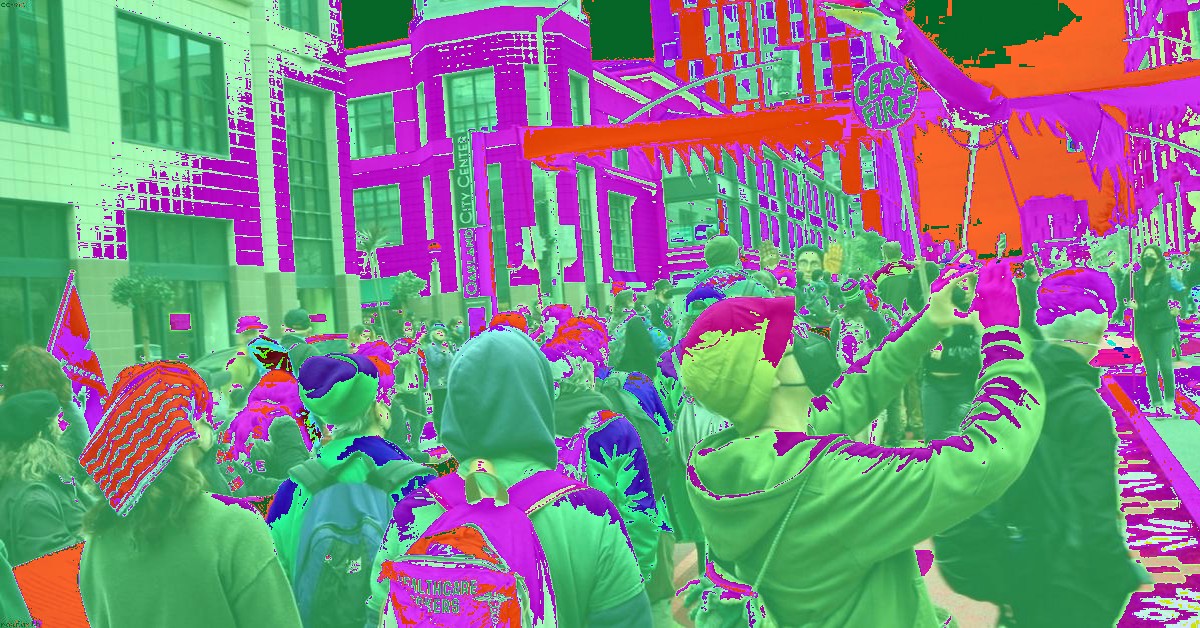
In a decisive courtroom showdown, a federal jury has ruled against Elon Musk in his high-stakes lawsuit against Sam Altman, Greg Brockman, and OpenAI. The verdict, delivered Monday in an Oakland, California courtroom, centers on one critical factor: Musk waited too long to bring his case.
The jury cleared OpenAI CEO Sam Altman, President Greg Brockman, and OpenAI itself of allegations that they defrauded Musk of early charitable contributions by transforming the nonprofit into a for-profit venture. US District Judge Yvonne Gonzalez Rogers accepted the jury’s findings, effectively ending the trial’s remedy phase and spiking any potential penalties.
The Statute of Limitations: Why Timing Mattered
What the Jury Decided
The jury’s primary ruling was straightforward: Elon Musk’s lawsuit was filed too late to hold Altman, Brockman, or OpenAI liable for any claims. Under California law, plaintiffs must bring certain claims within a specific timeframe—typically two to four years from when the alleged harm occurred. Musk’s 2024 filing, which referenced actions dating back to 2015 and 2016, fell outside that window.
The Microsoft Connection
Microsoft, named as a co-defendant for allegedly profiting from its partnership with OpenAI, also escaped liability. The jury determined that because Musk missed the statute of limitations, Microsoft could not be held responsible for any role it played in OpenAI’s for-profit shift.
Judge Rogers’ Response
US District Judge Yvonne Gonzalez Rogers stated she accepted the jury’s findings and would not overrule them. This decision scuttled a Monday hearing that would have addressed potential remedies—including financial penalties and Musk’s request to unwind OpenAI’s for-profit arm. Had the jury found the defendants liable, Judge Rogers would have determined how much OpenAI, Altman, and Brockman would pay, plus weighed Musk’s demand to dismantle the for-profit structure.
The Core of Musk’s Allegations
From Nonprofit to For-Profit
Musk co-founded OpenAI with Altman in 2015. Their original vision: create a nonprofit organization to develop artificial intelligence technology that would benefit all humanity. The startup aimed to counterbalance Google’s DeepMind, which Musk and Altman viewed as a threat if it successfully created general AI under private control.
Musk’s lawsuit, first filed in 2024, alleged that Altman and Brockman perverted that mission by:
- Building a for-profit arm within OpenAI
- Partnering with Microsoft for funding and compute resources
- Effectively stealing the nonprofit for personal enrichment
- Using Musk’s $38 million in early donations as the foundation for a for-profit empire
The Charitable Contributions Argument
At the heart of Musk’s case was the claim that his early donations were made under false pretenses. He argued OpenAI used his money to bootstrap a nonprofit that was later converted into a for-profit venture—without his consent and against the original agreement.
OpenAI’s Defense: Motive and Timing
A Competitive Threat?
Throughout the trial, OpenAI, Altman, and Brockman argued that Musk was not a victim of fraud but a competitor trying to hobble a rival. They presented evidence that Musk understood from the beginning that partnering with a major tech company like Microsoft was essential for raising the capital needed to fund OpenAI’s massive computing requirements.
The xAI Factor
Musk launched his own AI company, xAI (now renamed SpaceXAI and folded into his rocket company), as a direct competitor to OpenAI. The defense argued that this lawsuit was a strategic move to slow down a faster-growing rival. They pointed out that SpaceXAI was lagging behind OpenAI in development and market share—making litigation a convenient distraction.
Key Takeaways for B2B and SaaS Leaders
1. Statute of Limitations Is Not a Technicality
For growth-stage companies, this case underscores a critical lesson: legal timing matters. If you suspect a breach of contract, fraud, or fiduciary duty, act quickly. Waiting years to file a lawsuit—even if your claims are valid—can mean losing your day in court entirely.
2. Partnership Agreements Must Be Crystal Clear
OpenAI’s defense centered on implicit understanding: Musk supposedly knew a for-profit pivot was necessary. For SaaS and tech companies, this highlights the danger of verbal agreements or vague memorandums of understanding. Every partnership, donation, or investment should include explicit terms about future changes in structure or ownership.
3. Charitable Contributions Can Become Legal Landmines
Musk’s $38 million in early donations became the foundation for a complex lawsuit. If your company accepts donations, grants, or investments with a charitable or mission-driven purpose, document exactly how those funds will be used—and what happens if the mission evolves.
4. Competition Lawsuits Cut Both Ways
The trial revealed that Musk’s lawsuit could be interpreted as an anti-competitive move rather than a genuine grievance. For growth-focused companies, launching litigation against a rival can backfire. It may expose your own motives, provide discovery material to opponents, and damage your brand’s reputation.
What This Means for OpenAI and Musk
OpenAI: Clear to Continue For-Profit Operations
With the jury ruling in its favor, OpenAI can continue operating its for-profit arm without legal threat from Musk—at least on these specific claims. The verdict removes a major distraction and allows the company to focus on product development, partnerships, and scaling its AI capabilities.
Musk: A Setback but Not the End
This ruling is a significant loss for Musk, but it doesn’t end his broader fight with OpenAI. He can still pursue other legal theories, appeal aspects of the case, or attempt to influence OpenAI’s trajectory through regulatory channels. However, the statute of limitations ruling makes it unlikely he can unwind OpenAI’s for-profit structure.
Microsoft: Liability Shield Maintained
Microsoft, which has invested billions in OpenAI, escaped liability entirely. This protects one of the most significant tech partnerships of the decade. For other tech companies eyeing similar partnerships, this verdict provides a degree of comfort: they won’t be held liable for a partner’s past actions if complaints are filed too late.
Practical Playbook for SaaS Founders and Revenue Leaders
1. Audit Your Legal Exposure Timeline
- Review all contracts, partnership agreements, and donation terms
- Identify any actions that could be challenged as breaches or misrepresentations
- Set a calendar reminder for statute of limitations deadlines on key agreements
2. Document Organizational Evolution
- Maintain a clear history of how your company’s mission, structure, and ownership have changed
- Record board discussions about pivoting from nonprofit to for-profit, or shifting partnership models
- Keep copies of all communications with early investors, donors, or co-founders
3. Communicate Mission Shifts Transparently
- If your company’s mission evolves—as OpenAI’s did—communicate changes to early backers
- Offer refunds, equity, or other restitution to avoid future claims of fraud
- Get written acknowledgment of any structural changes from major stakeholders
4. Treat Lawsuits as Business Strategy—Not Just Legal Tactics
- Before filing, ask: Is this a genuine legal claim or a competitive move?
- Cost-benefit analysis should include reputation damage, discovery exposure, and distraction for your team
- Consider whether the statute of limitations has already expired on your strongest claims
The Bottom Line for B2B Growth Leaders
The Musk vs. OpenAI verdict is a master class in why timing, documentation, and clear agreements matter—especially in fast-moving tech sectors. For SaaS and B2B companies scaling rapidly, the takeaways are actionable:
- Don’t wait to enforce your rights. If you suspect a breach, act within the legal window.
- Write everything down. Vague understandings don’t hold up in court.
- Know your partnership’s exit plan. What happens if a co-founder wants to restructure?
- Consider competitive motives. If you sue a rival, expect your own motives to be scrutinized.
The jury’s ruling doesn’t just affect Musk, Altman, and OpenAI. It sets a precedent that could shape how tech founders, investors, and partners approach founders’ agreements, charitable donations, and competitive disputes for years to come.
For now, OpenAI continues its march toward for-profit dominance—with Musk’s $38 million in early donations firmly in the rearview mirror.