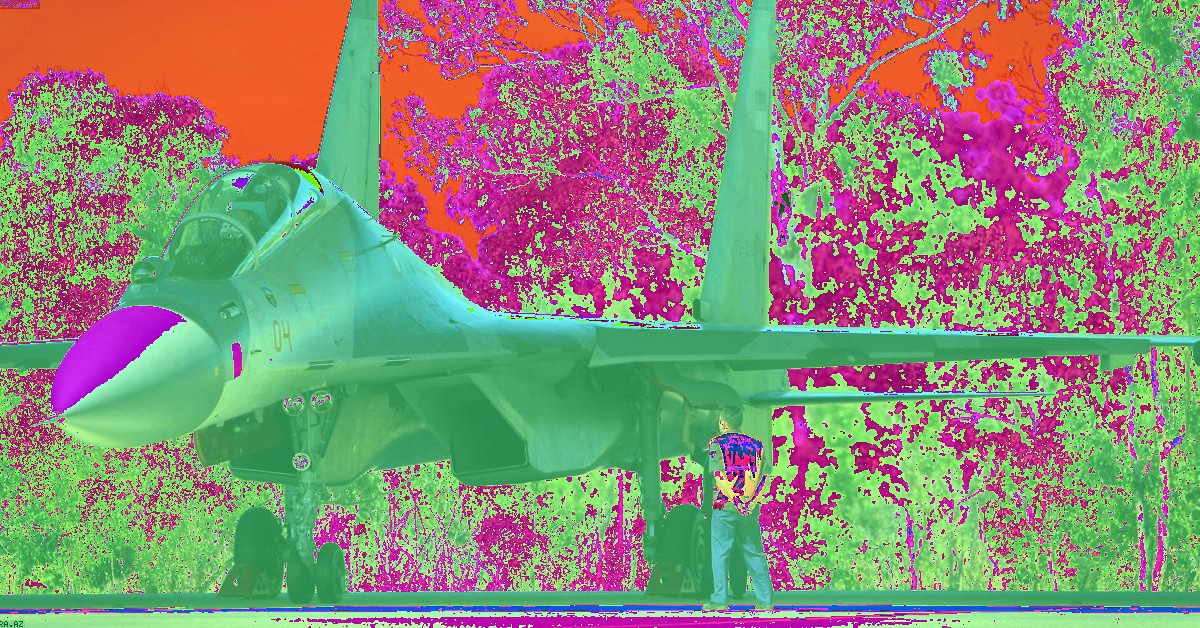
Russian Su-35 Jets Disable RAF Spy Plane’s Autopilot Over Black Sea—Here’s What It Means for NATO and B2B Defense Contractors
In late September, Russian Sukhoi Su-35 fighters intercepted a Royal Air Force Rivet Joint surveillance aircraft over the Black Sea. The encounter was not your standard close pass. According to the UK Ministry of Defense, the Russian jets flew so close to the RAF plane that they triggered its emergency systems and knocked out the autopilot. This marks the most dangerous Russian maneuver against a UK Rivet Joint since 2022, when a Russian aircraft fired a missile near a similar mission.
For B2B readers in defense tech, aerospace, and government contracting, this incident isn’t just a headline. It’s a live case study in operational risk, signal intelligence, and the growing demand for resilient autonomous systems. Let’s break down what happened, why it matters, and what it signals for the future of airborne surveillance.
The Incident: What Actually Happened Over the Black Sea
On September 29, a Rivet Joint—a heavily modified Boeing RC-135V/W—was conducting a routine signals intelligence patrol in international airspace over the Black Sea. Two Russian Su-35 fighters approached the unarmed aircraft. According to the UK Ministry of Defense, one Su-35 came so close that its wake disrupted the Rivet Joint’s internal systems, disabling the autopilot. The second jet, a Su-27, made six separate passes in front of the Rivet Joint, at one point coming within six meters of the aircraft’s nose.
Video footage released by the UK shows the Russian jets armed with missiles. The Rivet Joint crew continued their mission despite the close passes, a move UK Defense Secretary John Healey called “outstanding professionalism and bravery.” The incident was later described by the UK government as “the most dangerous Russian action against a UK Rivet Joint since 2022.”
Key Data Points From the Encounter
| Detail | Data |
|---|---|
| Date | Late September 2023 |
| Location | International airspace over the Black Sea |
| UK Aircraft | Boeing RC-135V/W Rivet Joint |
| Russian Aircraft | Sukhoi Su-35, Su-27 |
| Distance | One pass at approximately 6 meters from nose |
| Impact | Autopilot disabled, emergency systems triggered |
| Previous incident | 2022 missile launch near a UK Rivet Joint |
Why the Rivet Joint Is a High-Value Target
The Rivet Joint is not your average spy plane. It’s a flying electronic intelligence platform, built to intercept, analyze, and relay communications and radar signals from the ground, sea, and air. The aircraft entered service in the early 1960s and is operated only by the US and UK. It’s roughly the size of an airliner, unarmed, and extremely sensitive to electromagnetic interference and physical disruptions.
When a Su-35 flies close enough to trigger emergency systems, it doesn’t just startle the crew. It can disrupt the sensitive electronic gear that makes the Rivet Joint mission-effective. That’s a direct threat to NATO’s ability to monitor Russian activity in the Black Sea region—a critical chokepoint for energy, military, and commercial shipping.
The 2022 Echo
The UK noted that this was the most dangerous incident since 2022, when a Russian aircraft fired a missile near a UK Rivet Joint. At the time, the UK assessed the launch as a likely malfunction, but that incident raised serious concerns about miscalculation. The latest event, with deliberate close passes, suggests a more aggressive posture by Russian air forces—and a heightened risk of accidental engagement.
What This Means for Defense Contractors and B2B Tech
For B2B readers in aerospace, defense, and government contracting, this incident carries direct implications. Here’s what to watch:
1. Demand for Autonomous and Resilient Surveillance Platforms
When enemy aircraft can physically or electromagnetically disrupt a manned platform, the case for autonomous or semi-autonomous alternatives becomes stronger. Think uncrewed aerial systems (UAS) capable of signals intelligence (SIGINT) missions over peer-level contested airspace. These platforms don’t need autopilot—they are the autopilot—and they can be hardened against close passes without risk to human life.
2. Upgrades to Existing Rivet Joint Fleets
The US and UK are expected to invest heavily in protective systems for their Rivet Joint fleet. This includes active and passive electronic protection suites, better flight control redundancy, and possibly directed-energy countermeasures for close-in threats. Companies that specialize in EW (electronic warfare) and aircraft survivability equipment will see increased demand.
3. Increased Funding for Black Sea and NATO Airborne ISR
The incident underscores how critical the Black Sea is for NATO surveillance. Expect national capitals to allocate more resources to airborne intelligence, surveillance, and reconnaissance (ISR) missions in the region. That means more contracts for satellite communications relays, data fusion software, and persistent surveillance systems.
4. Insurance and Risk Reassessment for B2B Travel and Operations
Don’t overlook the business continuity angle. If Russian fighters are willing to fly within meters of NATO spy planes, the risk profile for commercial and charter flights, as well as corporate travel, in the Black Sea region shifts. B2B firms with operations in nearby countries should reassess their travel insurance, crisis management plans, and any reliance on air transport for personnel or high-value cargo.
The GTM Playbook: How to Position Your Product in This Changing Environment
If you’re selling into the defense or aerospace ecosystem, here’s how to align your messaging with current events:
- Highlight resilience over raw performance. Buyers want systems that can take a beating—whether from enemy EW or a wake turbulence. Emphasize redundancy, autonomy, and failover modes.
- Tie your solution to real-world incidents. Don’t just talk specs. Show how your product would have helped maintain mission continuity during the Rivet Joint incident. Use terms like “autopilot disruption,” “SIGINT mission assurance,” and “Black Sea operational tempo.”
- Focus on unmanned and optionally manned platforms. The trend is clear: peer-level threats drive demand for uncrewed ISR. Position your components, software, or services as essential for next-gen UAS.
- Build a narrative around risk reduction at scale. Defense buyers are risk-averse, but they also want speed. Show how your product reduces the likelihood of accidental escalation or loss of capability during a close pass.
Final Takeaway
The Black Sea intercept is a stark reminder that NATO’s airborne ISR missions operate in an increasingly dangerous environment. For B2B players in the defense and aerospace ecosystem, this event is not just a news cycle—it’s a signal. Invest in resilience, autonomy, and mission assurance. The next contract could depend on how well your solution handles a Su-35 flying through your wake.
Stay safe. Stay informed. And keep your autopilot redundant.