“Actual Intelligence” Wins the Day: Why Steve Wozniak’s Commencement Speech Stands Apart in the AI Era
As commencement season wraps up across the country, a handful of tech titans took to podiums to address the class of 2026. But a fascinating pattern emerged: talking about AI got some speakers booed, while others earned standing ovations. The difference? It wasn’t what they said about artificial intelligence—it was how they positioned humans within the story.
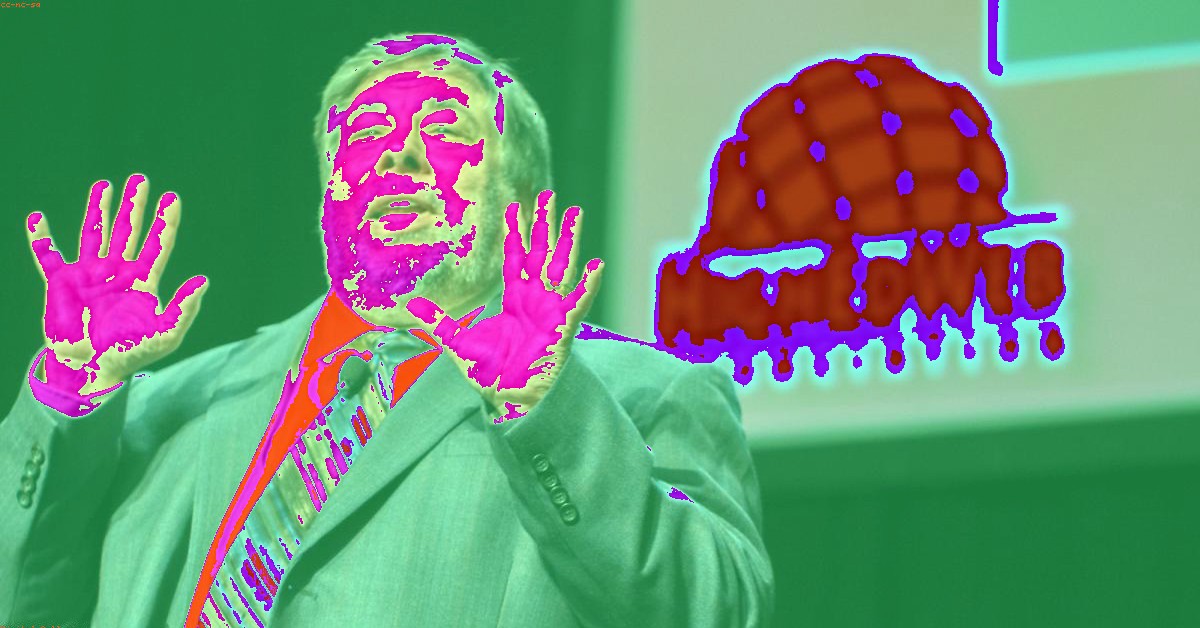
Apple co-founder Steve Wozniak delivered a commencement address a few weeks ago at Grand Valley State University that managed to mention AI without triggering a single wave of disdain from the audience. In fact, he sparked applause.
How? By flipping the script entirely.
The One Sentence That Got Applause
Wozniak looked out at the graduating class and said: “You all have AI—actual intelligence.”
The room erupted.
It was a masterclass in reframing. While other tech leaders have been pushing AI as a revolutionary force that students need to run toward—or risk being left behind—Wozniak reminded graduates that their own human intelligence is the original, irreplaceable model.
“My entire life in the technical world, I’ve been following people that were trying to figure out how to make a brain,” Wozniak continued. “I was at a company where the engineers figured out how to make a brain,” he added, pausing before delivering the punchline: “It takes nine months.”
The crowd laughed and cheered.
For graduates stepping into a tight job market with shrinking entry-level opportunities, that message landed like a life raft. It wasn’t about dismissing technology—it was about celebrating what only humans can bring to the table.
Why Other Commencement Speakers Got Booed
Not every tech leader handled the AI conversation with the same finesse.
At the University of Central Florida on May 8, Gloria Caulfield, vice president of strategic alliances at Tavistock Development Co., addressed the humanities department’s graduation ceremony. She described AI as the “next industrial revolution.” Students didn’t cheer—they booed.
Then, on May 15, former Google CEO Eric Schmidt took the stage at the University of Arizona. His crime? Comparing AI’s impact to the transformative rise of computers. The crowd responded with audible disapproval.
The same day, Glendale Community College attempted something different entirely: using an AI system to read graduating students’ names during the commencement ceremony. The result? The system missed hundreds of names. School president Tiffany Hernandez addressed the technical failure from the stage, saying, “That is a lesson learned for us,” as boos echoed through the venue.
What’s Driving the Backlash?
Graduating in 2026 means entering a labor market that is genuinely uncertain for early-career professionals. Entry-level roles are contracting. AI tools are automating tasks that used to serve as stepping stones. When a commencement speaker tells students that AI is the next big revolution, it can sound less like inspiration and more like: “We’re about to replace you.”
It’s not that students reject technology. It’s that they reject being told that the tool matters more than the person holding it.
The Contrast: Why Jensen Huang Got a Warmer Reception
Of course, not everyone who talked about AI got booed. Nvidia CEO Jensen Huang spoke at Carnegie Mellon University—the institution widely considered the birthplace of modern AI—and told graduates to “Run, don’t walk” toward the AI revolution. That message landed positively.
Context matters. Students at a university built around AI research are already invested in the narrative. They’re not being threatened by the technology—they’re building it.
But for the broader graduating class, the audience relationship is different. These are students who majored in English, political science, biology, and business. They’re not coding transformer models. They’re wondering whether their degree still holds value.
Wozniak understood that. He spoke to the human anxiety behind the headlines.
What Delta’s CEO Got Right (and Wrong)
Delta Air Lines CEO Ed Bastian also addressed the AI elephant in the room during his commencement speech at Emory University. He admitted that out of curiosity, he asked AI to write his address. But after reading the output, he threw it away.
“The lack of soul nor warmth it conveyed,” Bastian explained, was the reason.
He then told students: “So, don’t worry.”
That’s a decent message, but it lacks the nuance Wozniak brought. Bastian’s admission is honest, but it still positions AI as the center of gravity. Wozniak, by contrast, shifted the gravity entirely back to human capability.
Wozniak’s Real Stance on AI
It’s worth noting that Wozniak’s commencement speech wasn’t an outlier. His views on AI have been consistently critical—but also refreshingly grounded.
“I don’t use AI much at all,” Wozniak said during a March interview with CNN. “I often read things [AI produces], and they just sound too dry and too perfect. I want something from a human being, and I’m disappointed a lot.”
That’s a bold statement from someone who literally helped create the personal computer revolution. But it also reveals a deep understanding of what technology can and cannot replace.
Wozniak isn’t anti-AI. He’s pro-human.
Three Lessons for Leaders and Communicators
Whether you’re a CEO, a sales leader, or a marketer trying to navigate the AI conversation with customers and teams, there’s something to learn from this commencement season. Here are three takeaways you can apply today:
1. Frame AI as a Complement, Not a Replacement
When you talk about AI, start with the human problem it solves—not the human it replaces. Wozniak didn’t say “AI is going to do everything better than you.” He said “You already have intelligence. That’s the real AI.”
Sales teams: When you pitch an AI-powered tool, lead with what it frees up for your buyer. More time for strategy. More capacity for relationships. Not: “This will do your job.”
2. Know Your Audience’s Anxiety
The same message about AI landed differently at Carnegie Mellon vs. Grand Valley State vs. the University of Central Florida. That’s not a failure of the message. It’s a failure to understand the audience.
Before you speak about technology to any group, ask yourself: What are they afraid of? For graduating seniors, it’s career irrelevance. For mid-market sales leaders, it might be commoditization. Tailor your framing accordingly.
3. Embrace Imperfection
Wozniak’s admission that AI outputs feel “too dry and too perfect” is actually a powerful selling point. In a world of automated everything, human imperfection is a differentiator. Emotion, instinct, improvisation—these are not bugs. They’re features.
Delta’s CEO discovered this when he trashed his AI-generated speech. The lesson? Don’t hide your human side. Lean into it.
The Bottom Line
Steve Wozniak didn’t win applause because he said something groundbreaking about AI. He won applause because he told graduates something they desperately needed to hear: You matter. Your brain matters. Your humanity is not obsolete.
In a spring filled with awkward AI experiments and booed speakers, that message feels almost radical.
It shouldn’t.
As B2B leaders, we’re all trying to figure out how to talk about AI without alienating our teams, customers, or audiences. The answer isn’t more technical jargon or louder hype. It’s more empathy. Start with the human. Let the technology follow.
That’s actual intelligence.