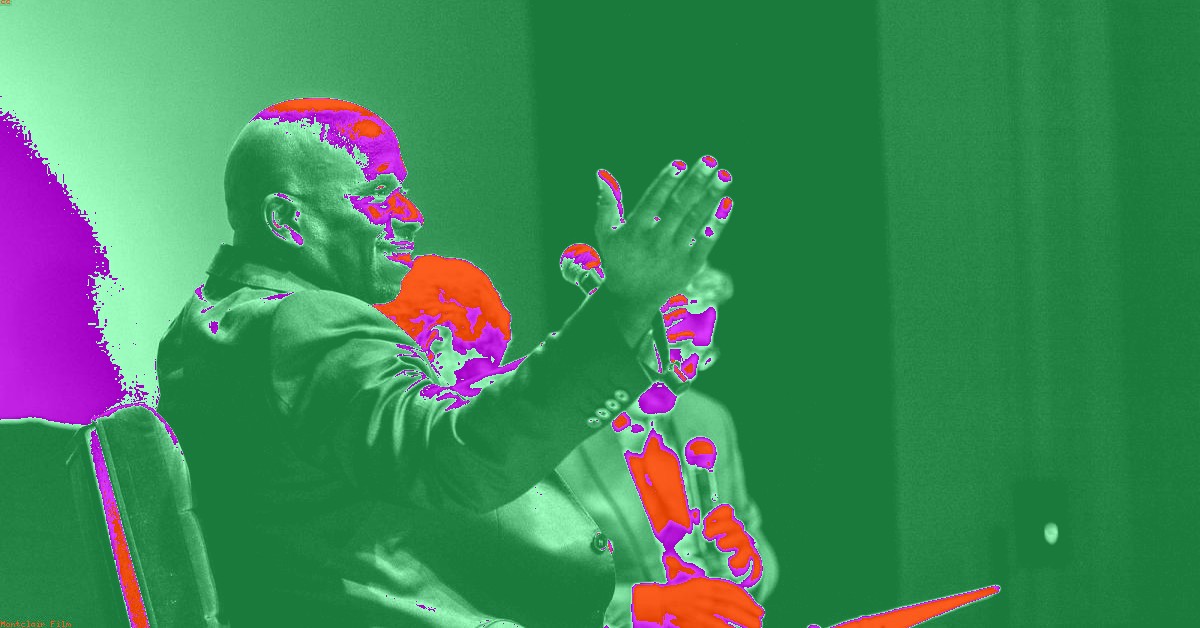
Beyond the Monologue: How Stephen Colbert’s “Late Show” Finale Became a Hollywood Tribute to Resilience
When Stephen Colbert signed off for the final time on Thursday night, it wasn’t just the end of a late-night show. It was the conclusion of a defining chapter in television history—one that spanned 11 seasons, survived a polarizing political era, and reshaped what a host could say after midnight.
The numbers don’t lie. In July, CBS made the difficult call to cancel The Late Show for what the network described as “financial reasons.” But the story behind that decision is more textured than a simple P&L sheet. It intersects with a $16 million settlement between Paramount and former President Donald Trump—a deal Colbert didn’t shy away from addressing on-air during an episode he titled “A Big Bribe.”
As the final credits rolled, the biggest names in Hollywood didn’t just send flowers. They showed up—emotionally, publicly, and in ways that revealed how deeply Colbert had impacted the late-night landscape.
The Numbers Behind the Curtain
Let’s talk about the business reality first, because that’s what B2B readers need to understand.
CBS’s decision wasn’t made in a vacuum. The late-night franchise had been running for over 30 years—22 of them under David Letterman, and 11 under Colbert. When Colbert took over in 2015, he inherited a legacy that had already weathered cable disruption, streaming wars, and shifting viewing habits.
But the financial math had changed. Ad revenue for linear television continues to compress. The audience for appointment viewing—especially at 11:35 PM—has fragmented across YouTube clips, TikTok highlights, and podcast recaps. CBS’s July announcement cited “economic pressures” that made the show’s production model unsustainable.
What’s less discussed is how the Paramount settlement factored in. The network reached a $16 million deal with President Trump weeks before the cancellation announcement. Colbert referenced it directly, calling it “a big bribe” during an episode. That candidness—willing to name the elephant in the boardroom—is exactly why his peers rallied around him.
What the Biggest Names in Hollywood Actually Said
Jimmy Fallon’s Tolkien-Inspired Tribute
Jimmy Fallon took a different approach. Rather than a standard send-off, he posted an illustration on X showing Colbert and a dog aboard a boat named “Freedom.” The caption? A quote from The Lord of the Rings: “There’s some good in this world, Mr. Frodo… and it’s worth fighting for.”
This wasn’t random. Colbert is famously a massive Tolkien fan—so much so that Warner Brothers announced in March that he and his son were developing a new installment of the Lord of the Rings franchise. Fallon’s tribute double-dipped: it honored Colbert’s character while nodding to his next creative chapter.
For revenue teams, this is a masterclass in targeted storytelling. Fallon didn’t just say “great job.” He connected Colbert’s on-screen persona to his off-screen passion. That’s the difference between a generic farewell and a memorable one.
Jimmy Kimmel’s Blunt Defense
Jimmy Kimmel was more direct. On his Wednesday night monologue, he dedicated the entire opening to Colbert. His tone wasn’t sentimental—it was defensive.
“I hope the people who did the pushing feel ashamed of themselves tonight, although I know they probably won’t,” Kimmel said, referring to CBS’s cancellation decision. Then he shifted to celebration: “I think it’s most important to congratulate Stephen and the team at The Late Show for all the great work over the last 11 years, and all the great work he will continue to do in other venues, I have no doubt.”
Kimmel’s decision to go off-air during Colbert’s final episode was an intentional show of respect. He didn’t want to compete for attention on the same night. In the cutthroat world of late-night ratings, that gesture speaks volumes.
A Broader Chorus of Support
While the source material focuses on Fallon and Kimmel, the subtext is that Colbert’s finale became a referendum on how the industry treats its creative leaders. When a host who consistently delivered high-quality content over more than a decade is “pushed out” for financial reasons, it raises uncomfortable questions about how we value sustained excellence.
Why This Matters for B2B Leaders
You might be wondering: why is a B2B publication covering late-night TV drama?
Because the dynamics here mirror exactly what happens in SaaS and tech companies every day.
Consider the parallels:
-
The long-tenured leader: Colbert ran The Late Show for 11 years. In tech, CROs and VPs of Sales who stay that long often become institutional knowledge banks. When they’re pushed out for “financial realignment,” the cultural and operational loss is huge.
-
The financial excuse: CBS cited economic reasons. But the timing—right after a $16 million legal settlement—suggests political and strategic factors were in play. In B2B, “budget cuts” often mask deeper issues like leadership changes, board pressure, or unresolved conflicts.
-
The public reputation: Kimmel’s comment about “people who did the pushing” feeling ashamed is a reminder that how you exit talent affects your employer brand. Companies that treat senior leaders poorly find it harder to recruit top-tier replacements.
-
The next chapter: Colbert isn’t disappearing. He’s developing a new Lord of the Rings project with his son. In B2B, the best sales leaders don’t just retire—they become advisors, founders, or investors. Their next move often outperforms their previous one.
The Playbook for Navigating a Graceful Exit (or Pivot)
If you’re a revenue leader facing a transition—or if you’re a CEO who might need to make a difficult call—here’s what Colbert’s finale teaches us:
1. Control your narrative
Colbert referenced the Paramount settlement on-air. He didn’t wait for the press to tell the story. When you’re leaving a company, be transparent (within legal bounds) about what happened. Silence breeds speculation.
2. Let your peers speak for you
Fallon and Kimmel didn’t need to be asked. They showed up because Colbert had built real relationships. In your career, invest in peer networks early. When the time comes, those relationships will amplify your reputation better than any PR firm.
3. Signal your next move early
Colbert’s Lord of the Rings announcement came months before his finale. In B2B, if you’re planning a pivot—whether to a startup, consulting, or a new role—plant the seeds early. Don’t wait until your last day to say, “I have something in the works.”
4. Value consistency over drama
Colbert didn’t turn his final week into a soap opera. He did his job, delivered great content, and left with dignity. In sales, the most respected departures are the ones where you close your final deals, hand off cleanly, and thank the team.
What Comes Next for Late-Night—and Why It Matters
The end of The Late Show doesn’t mean the end of Stephen Colbert. It marks the closing of one business model—linear late-night television—and the opening of another. Streaming, podcasting, and franchise development are where the talent is moving.
For B2B companies, the lesson is clear: don’t confuse the platform with the person. Colbert’s value wasn’t in the CBS studio. It was in his ability to connect with an audience, navigate complexity, and tell a story.
When your top performer leaves—whether a sales rep, a VP, or a founder—ask yourself: are we losing the platform, or the person? Because if you’re losing the person, the platform won’t save you.
Final Takeaway
Stephen Colbert’s final episode wasn’t a funeral. It was a celebration of resilience, creativity, and relationships that outlast any single show.
The biggest names in Hollywood didn’t just show up because they had to. They showed up because Colbert had earned their respect over 11 years of late-night labor.
In the B2B world, that’s the kind of reputation you can’t buy with a bigger budget or a better CRM. You earn it—one episode, one deal, one relationship at a time.
And when it’s time to move on, that reputation becomes your most valuable asset.