Burger King’s “Reclaim the Flame”: A Two-Decade Comeback Playbook That’s Already Gaining Traction
By B2B Pulse Editorial
In the fast-food world, decades-long strategies rarely survive a quarterly earnings call. Yet Burger King is betting its future on exactly that: a “two-decade” turnaround plan that’s part operational overhaul, part brand resurrection—and, according to leadership, it’s already working.
Burger King president Tom Curtis, speaking at a press briefing attended by Business Insider, made it clear: “Reclaim the Flame is, frankly, a two-decade strategy because of everything that has to be done.” That candid admission—rare in publicly traded chains—signals how deep the restructuring must go. But for revenue teams and GTM leaders watching the fast-food wars, the real lesson isn’t the timeline. It’s how Burger King is building a sustainable competitive advantage in a market where most chains optimize for speed and efficiency, not long-term brand equity.
Here’s the inside story of Burger King’s comeback—and what B2B leaders can steal from its playbook.
Why a Two-Decade Plan? The Scale of the Turnaround
Burger King’s “Reclaim the Flame” strategy launched in 2022 after years of declining sales and operational drift. By that point, the chain had slipped behind both McDonald’s and Wendy’s in U.S. burger chain sales. As of August 2025, QSR Magazine still ranked Burger King #3—held back not by brand awareness but by tired restaurants, inconsistent operations, and a franchisee network that had lost confidence.
Curtis’s two-decade timeline reflects the sheer scope of work:
- Restaurant remodels – Thousands of locations need upgrades to modern design and technology.
- Operational consistency – Standardized training and execution across a fragmented franchise system.
- Product elevation – Upgrading the core menu, starting with the Whopper.
- Technology infrastructure – New digital ordering, kitchen display systems, and loyalty integration.
This isn’t a quick marketing fix. It’s a rebuild from the foundation up.
GTM takeaway: When your product or customer experience has eroded, a rapid 12-month “hack” won’t stick. You need a multi-year roadmap that invests in systems, people, and physical assets—not just ad spend.
The $400 Million Bet: How Burger King Is Funding the Future
To kickstart the turnaround, Burger King committed $400 million over the first two years of the plan. (For context, Red Lobster’s recent comeback effort was backed by just $60 million.) That capital is deploying across three key areas:
- Operational improvements – Streamlining kitchen workflows and drive-thru speeds.
- Technology upgrades – Modern POS systems, mobile app reliability, and loyalty program enhancements.
- Restaurant remodels – Updating interiors, exteriors, and drive-thru layouts to improve guest experience and brand perception.
The goal isn’t just to make stores look newer. It’s to rebuild franchisee profitability so that owners reinvest voluntarily—creating a virtuous cycle of growth.
Data point: Red Lobster’s $60M plan shows how differently capital requirements scale. Burger King’s $400M reflects both its larger base (over 7,000 U.S. locations) and the deeper operational debt it needs to address.
Revenue team lesson: When launching a large-scale transformation, align on a capital budget that matches the problem. Don’t underinvest and expect a different result.
Product-First: The Whopper Gets an Upgrade (and a New Box)
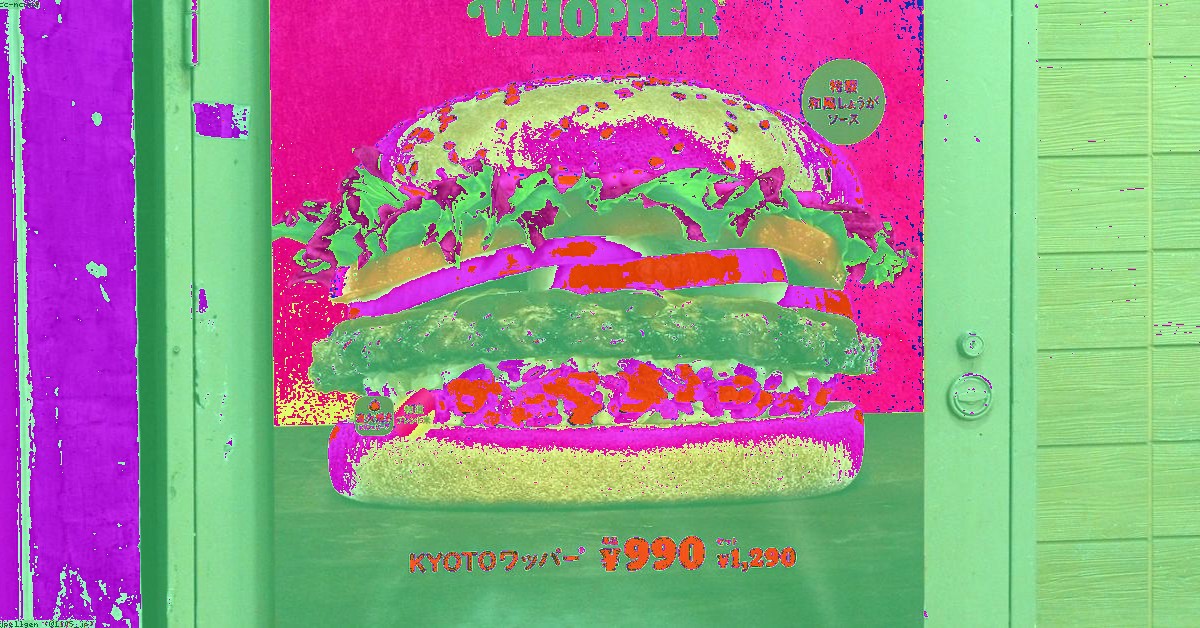
Burger King’s chief marketing officer Joel Yashinsky told Business Insider that the chain is “elevating our food” as part of the strategy. The most visible example: the Whopper’s recent refresh, which included a new box, bun, and mayonnaise.
On the surface, that sounds minor. But for a chain that built its identity on flame-grilled beef and the “Have It Your Way” promise (introduced in 1974), the Whopper is the flagship. If the flagship isn’t premium-quality, nothing else matters.
The refresh went beyond packaging and ingredients. Burger King is listening to customer feedback on how to improve presentation, flavor, and consistency. The chain is also doubling down on customization—its long-standing differentiator—as a way to deepen guest loyalty.
Yashinsky explained: “We want the guest to have ownership in the brand. Burger King was the first to really realize people liked customization.”
B2B application: Your core product is your Whopper. Before launching new features or expanding into adjacent markets, make sure your flagship offering is best-in-class. A disproportionate amount of your growth will come from nailing the core experience, not chasing shiny objects.
Brand Connection: From Transactional to Emotional Ownership
The “Reclaim the Flame” strategy isn’t just about operations and product. It’s about rebuilding emotional connection with customers.
Yashinsky emphasized that Burger King wants guests to feel a sense of ownership in the brand. That’s a tall order for a chain that had, for years, been seen as an also-ran in the burger wars. But by anchoring on customization—a brand equity that dates back to the “Have It Your Way” era—Burger King is leaning into a heritage that McDonald’s and Wendy’s can’t replicate.
Key moves to strengthen brand connection:
- Nostalgia marketing – Reminding Gen X and millennials of the brand’s rebellious, “have it your way” roots.
- Digital engagement – Using the app to offer personalized deals and customizable ordering.
- Community focus – Local franchisee involvement and store-level brand building.
Actionable insight for B2B marketers: When your brand has lost share, don’t invent a new identity. Go back to what made you distinctive in the first place. Burger King isn’t trying to be McDonald’s—it’s trying to be the best version of Burger King.
The Franchisee Factor: Why the Long Game Matters
Burger King’s biggest challenge may be its franchisee network. Over half of its U.S. restaurants are franchise-owned, meaning the turnaround depends on convincing hundreds of owners to invest in remodels, new equipment, and updated operating procedures.
Curtis’s two-decade timeline reflects the reality that franchisee buy-in takes time. Remodels require capital, and franchisees need to see ROI before they commit. That’s why Burger King is front-loading corporate investment: proving the model works so that franchisees follow.
Key metric: If Burger King can improve same-store sales and franchisee profitability even modestly over the next 2–3 years, the rollout accelerates. If it fails, the timeline stretches.
B2B parallel: Think of your channel partners, resellers, or implementation partners. They need to see your product’s value in their own P&L before they’ll invest in training, certification, or co-marketing. The same principle applies: lead with demonstrable ROI, then scale through the network.
Where Burger King Still Sits: Third Place, but Gaining
Despite the momentum, Burger King remains in third place among U.S. burger chains by sales (per QSR Magazine, August 2025). It trails McDonald’s and Wendy’s. But Yashinsky and Curtis both sound confident that the trajectory is improving.
The plan is working, they say—but it’s early innings. The “Reclaim the Flame” strategy has:
- Stopped the sales decline in many regions.
- Improved franchisee sentiment after years of tension.
- Driven trial and awareness for the upgraded Whopper.
- Laid groundwork for digital and operational improvements that will compound over time.
What B2B leaders should watch: This turnaround is being measured in years, not quarters. If you’re selling into large, operationalized industries (restaurants, retail, logistics), you need to build sales cycles and customer success models that accommodate multi-year transformations—not just monthly recurring revenue.
Lessons for B2B Leaders: The Burger King Playbook
Burger King’s comeback isn’t just a fast-food story. It’s a case study in turnaround strategy for any customer-facing business:
1. Lead with product quality
Before you can grow, you need to be proud of what you sell. Burger King started with the Whopper. What’s your flagship offering?
2. Invest in the customer experience
Don’t just upgrade the product—upgrade the environment, the service, and the digital touchpoints. Remodels and technology are together.
3. Commit to a realistic timeline
Two decades may feel long, but it’s honest. Under-promise on time and over-deliver on results.
4. Align channels around shared success
Franchisees need to see profitability gains before they reinvest. Same for your resellers, partners, and internal stakeholders.
5. Don’t abandon heritage
Burger King’s “Have It Your Way” legacy is a competitive asset. Reconnect with what made you distinctive.
6. Measure progress in compoundable improvements
Every remodel, every Whopper sold, every satisfied franchisee builds momentum. Track the metrics that reflect long-term health, not just quick wins.
The Bottom Line
Burger King isn’t betting on a quick flip. It’s betting on a deep, decade-long rebuild that restores the chain to its fighting weight. And while the CEO says it could take 20 years to fully execute, the early signals are promising.
For B2B leaders: the “Reclaim the Flame” story offers a masterclass in how to revive a brand by focusing on product excellence, operational fundamentals, and customer connection—over a timeline that respects the complexity of real change.
This isn’t a marketing campaign. It’s a framework for sustainable growth. And if Burger King can pull it off, it won’t just reclaim the flame—it’ll remind the entire industry why slow, steady, and deliberate often beats fast, flashy, and forgettable.
Take the first step: Look at your own business. Where have you been investing in the short-term and neglecting the long-term? What’s your Whopper—the core product you need to elevate first?
Start there. And give yourself the time to finish.